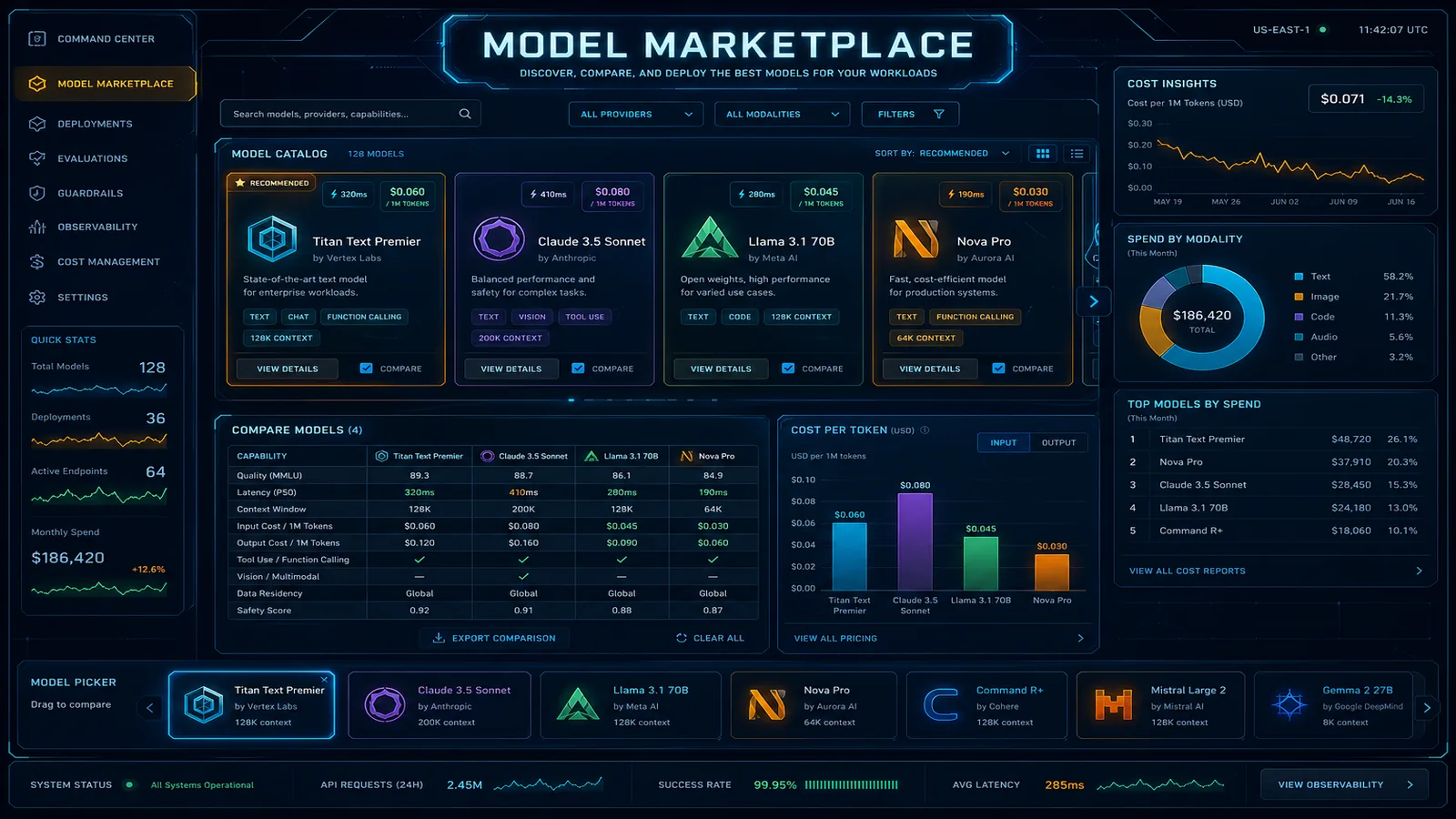
Amazon Bedrock Marketplace: Enterprise Guide to Third-Party Foundation Models
One AWS contract, multiple foundation models. Learn how to procure, govern, and cost-optimize Meta Llama, Mistral, Cohere, and more via Amazon Bedrock Marketplace.
FactualMinds Blog
Expert perspectives on AWS cloud consulting, generative AI, and enterprise solutions.

One AWS contract, multiple foundation models. Learn how to procure, govern, and cost-optimize Meta Llama, Mistral, Cohere, and more via Amazon Bedrock Marketplace.

July 2026: AWS Backup plans, Vault Lock, logically air-gapped vaults, cross-account copies, and restore-test cadence — the RPO/RTO discipline that turns “we have backups” into “we restored last week.”

Kiro is not Amazon Q with a new name. It's a spec-driven agentic IDE built for autonomous multi-file code generation. Enterprise guide to adoption and governance.

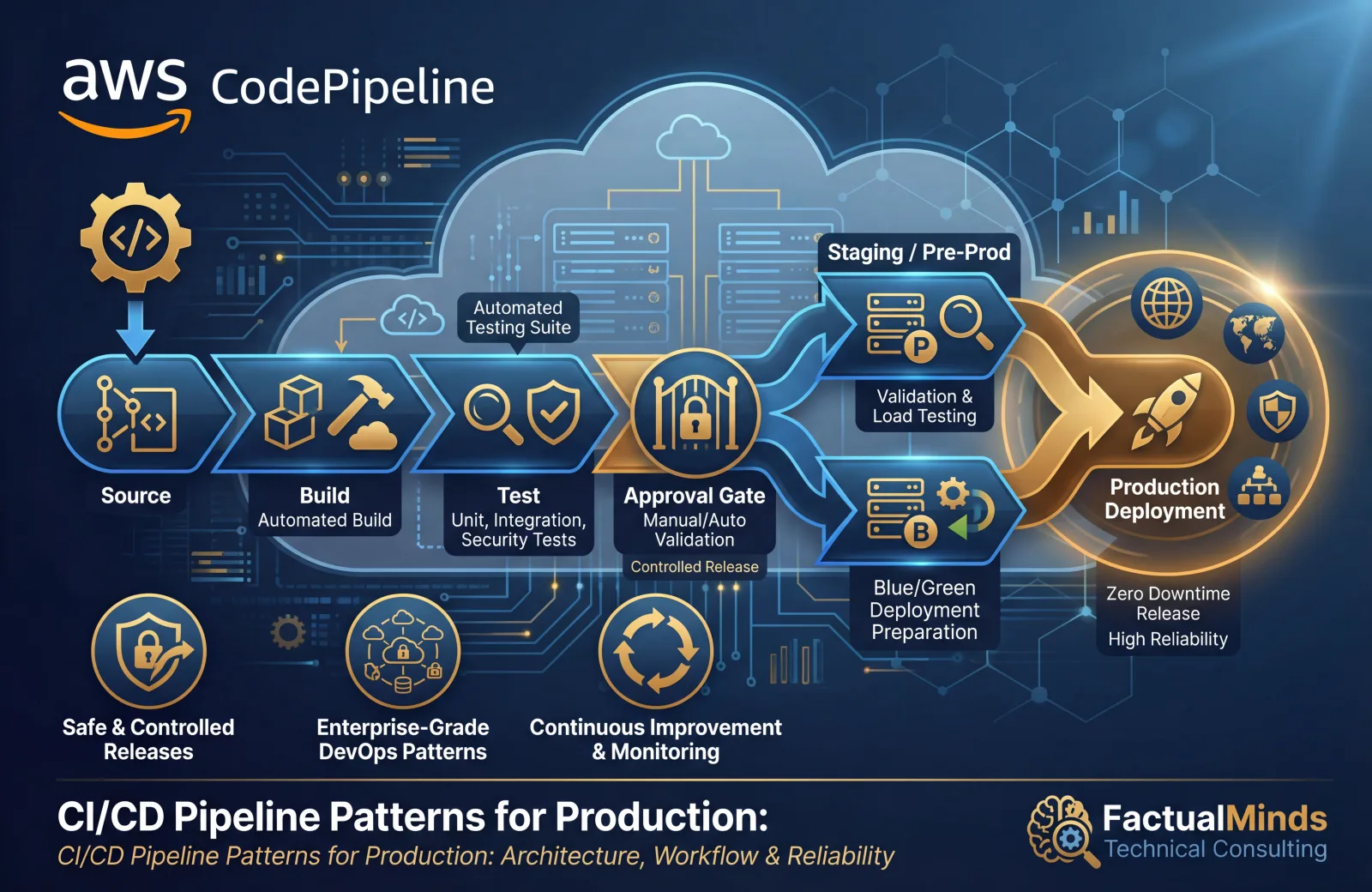
CodePipeline isn't the most loved CI/CD tool — but it's the one that talks to every other AWS service natively. Pipeline architecture, CodeBuild configuration, cross-account deploys, and the patterns that ship code safely without bolting on a third-party runner.

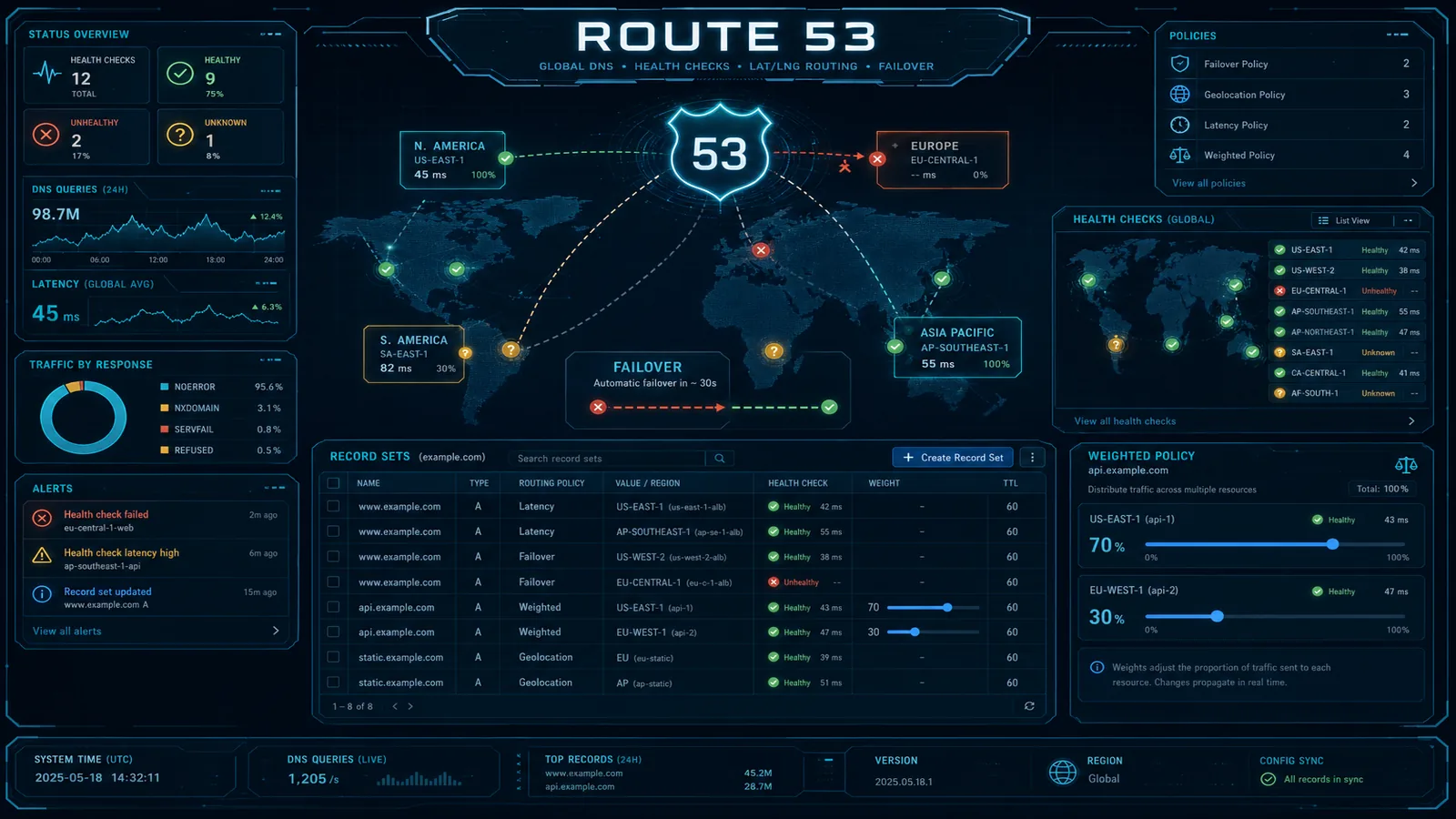
July 2026: Route 53 hosted zones, latency/geo/failover routing, health checks, and when DNS TTL is not enough — Route 53 Application Recovery Controller for controlled multi-Region cutover.

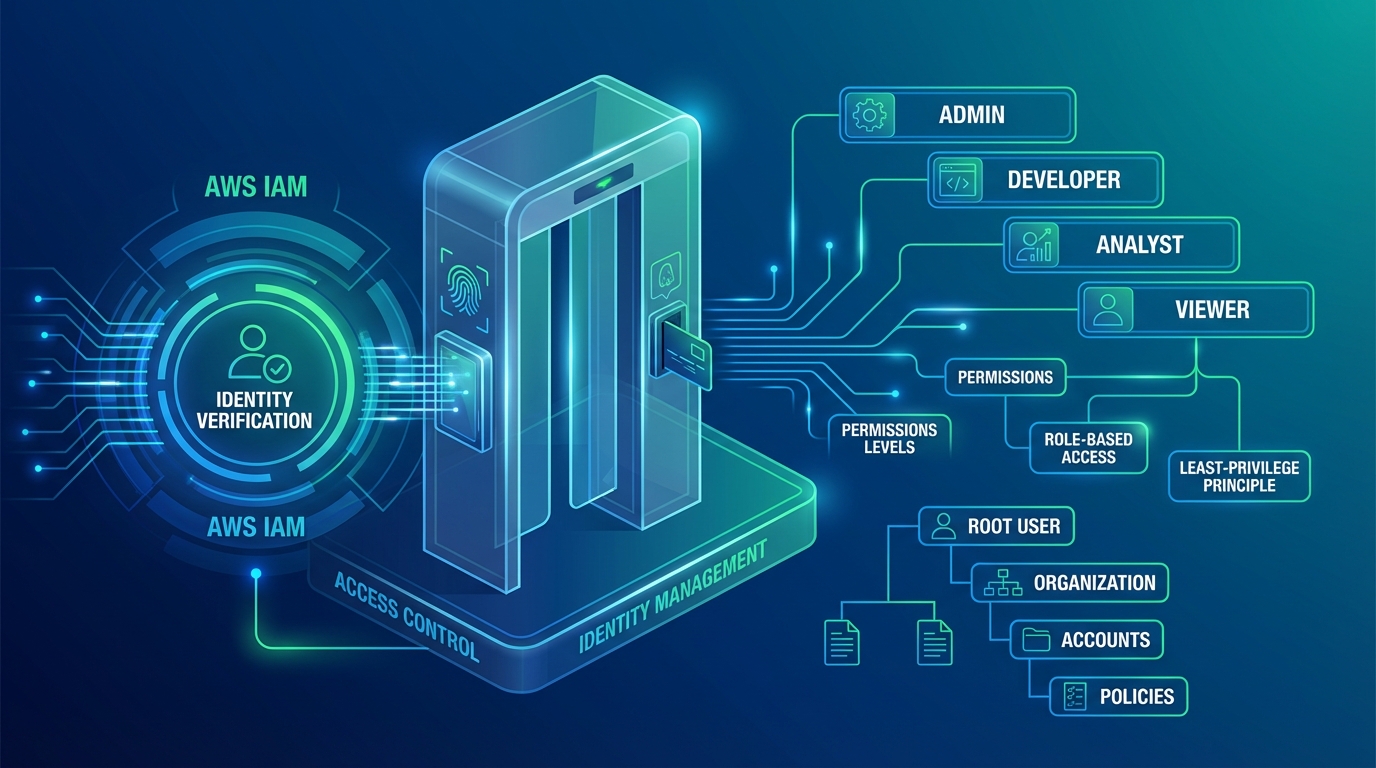
Least privilege is a slogan. Working IAM at production scale is a different problem. Roles vs users, permission boundaries, SCPs, identity federation, and the access-control patterns that keep teams fast without leaving keys lying around.

Well-Architected reviews used to read like AWS sales decks. The 2026 version is sharper. The 6 pillars walked through with what each costs, what each covers, and how to apply them to a workload before AWS's solutions architects do it for you.

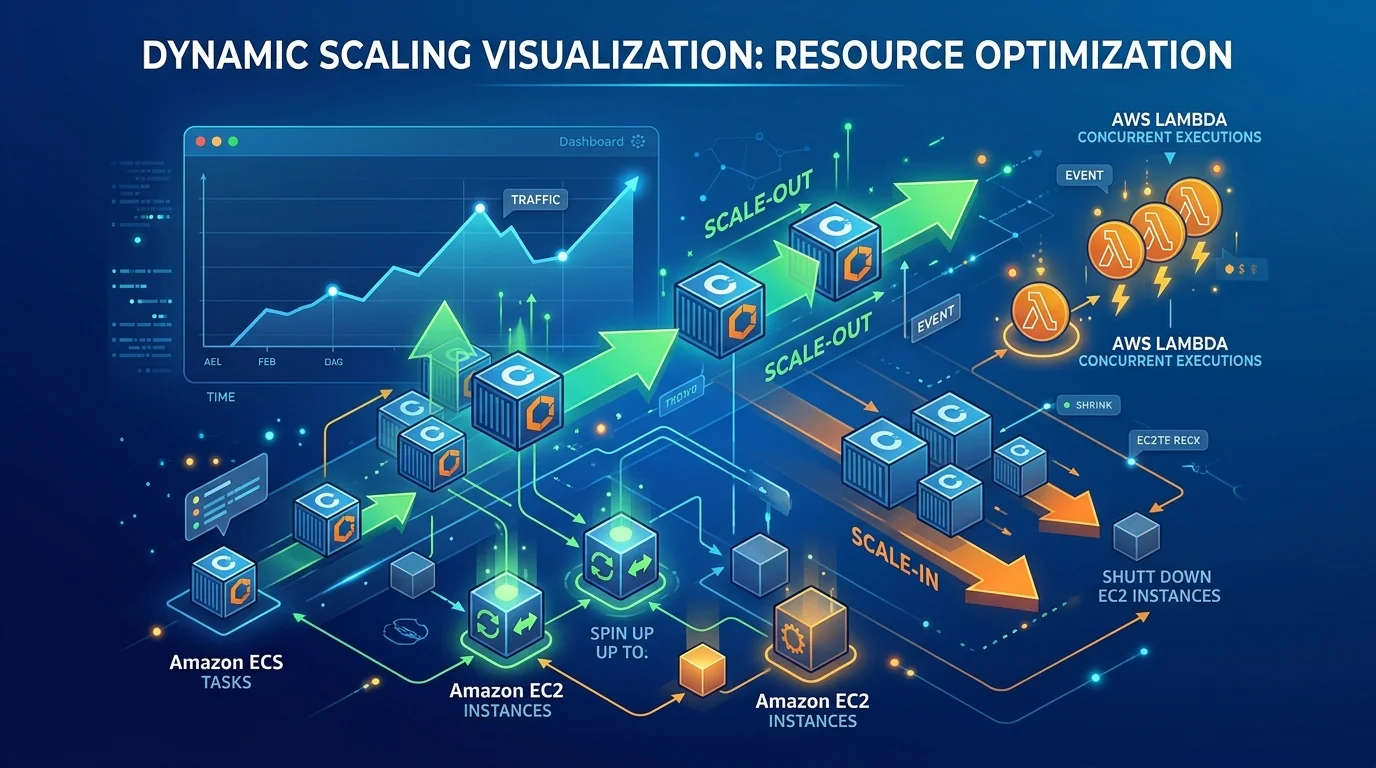
Most auto-scaling configs end up reactive — scaling after load hits, not before. The patterns that anticipate demand instead of chasing it across EC2, ECS, and Lambda, with the cost trade-offs of target tracking, step scaling, and predictive scaling.

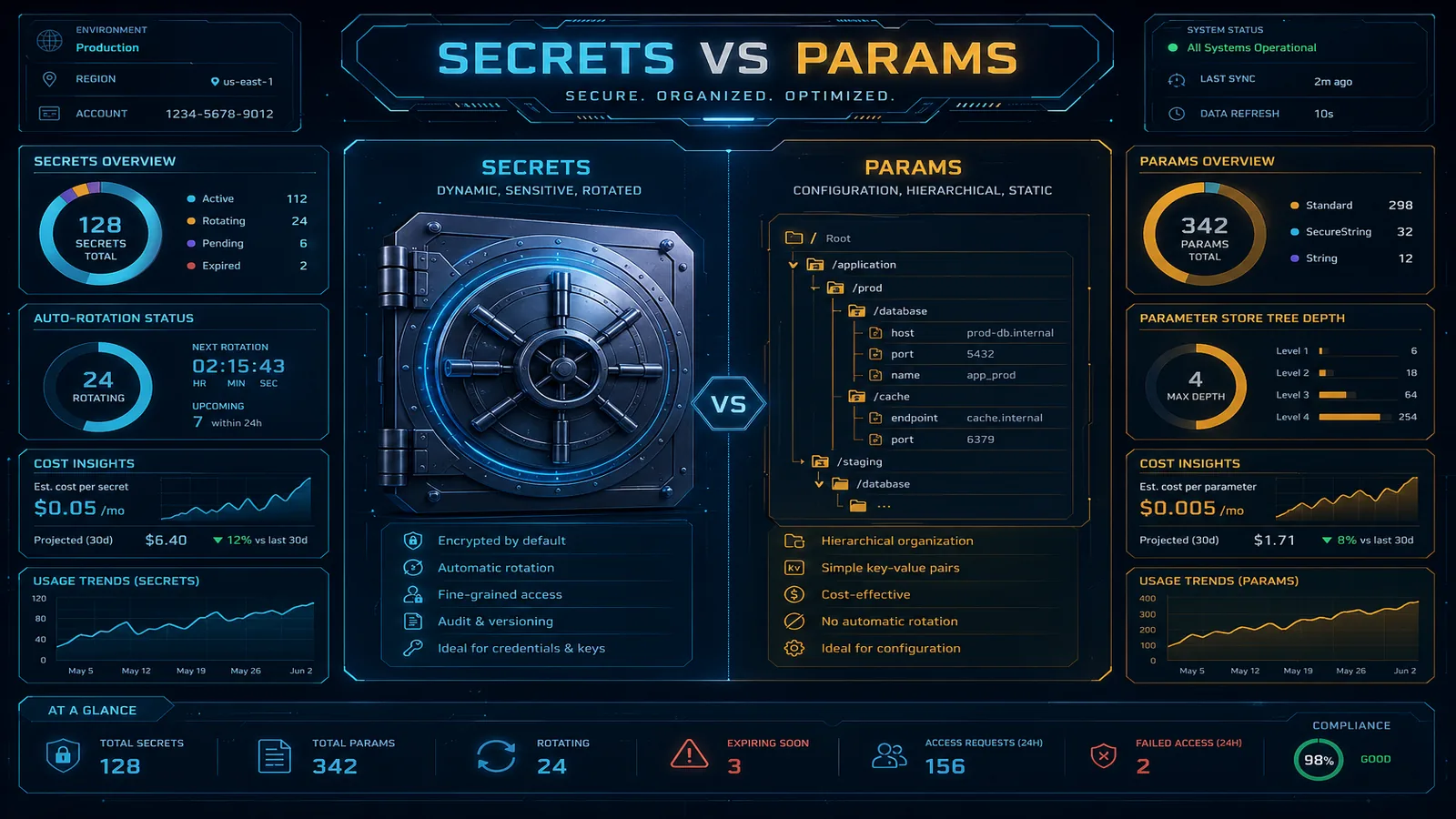
Secrets Manager rotates and costs $0.40 per secret per month. Parameter Store doesn't rotate and is mostly free. Pricing, rotation, encryption, cross-account access, and the decision criteria for picking each — including the hybrid pattern most production accounts end up at.

SQS is "reliable" only if you understand visibility timeout, dead-letter queues, and the silent failure mode where messages get processed twice. Standard vs FIFO, DLQ tuning, Lambda integration, and the patterns that turn SQS from "queue with default settings" into reliable backbone messaging.

Migrating from SendGrid to SES is mostly cheap — until your warm-up plan is wrong and deliverability falls off a cliff. DNS cutover, IP warming, API surface differences, and the deliverability checkpoints that keep email landing in inboxes through the switch.

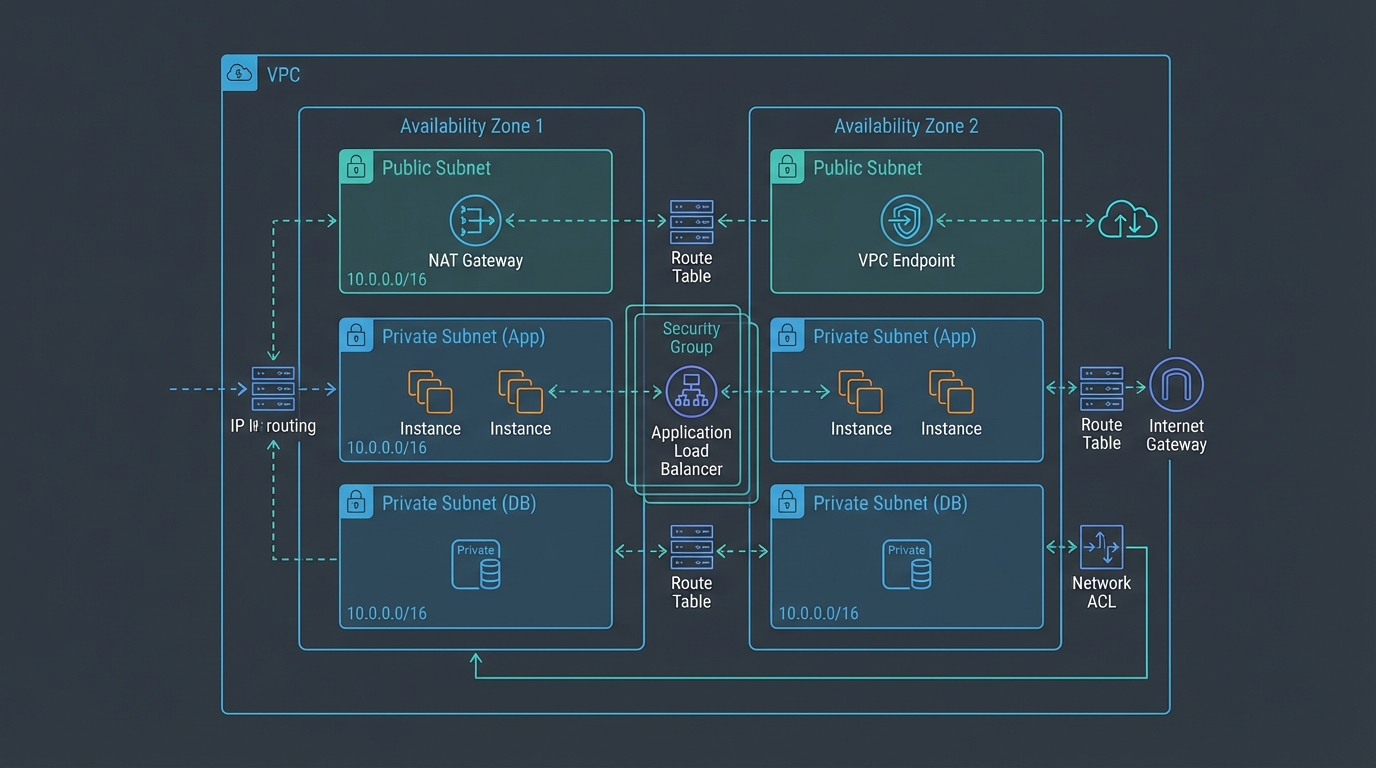
A VPC misdesign at month two becomes a multi-quarter migration at year two. CIDR planning, subnet strategies, NAT gateways, VPC endpoints, Transit Gateway, and the network architecture patterns that scale without forcing a re-IP.